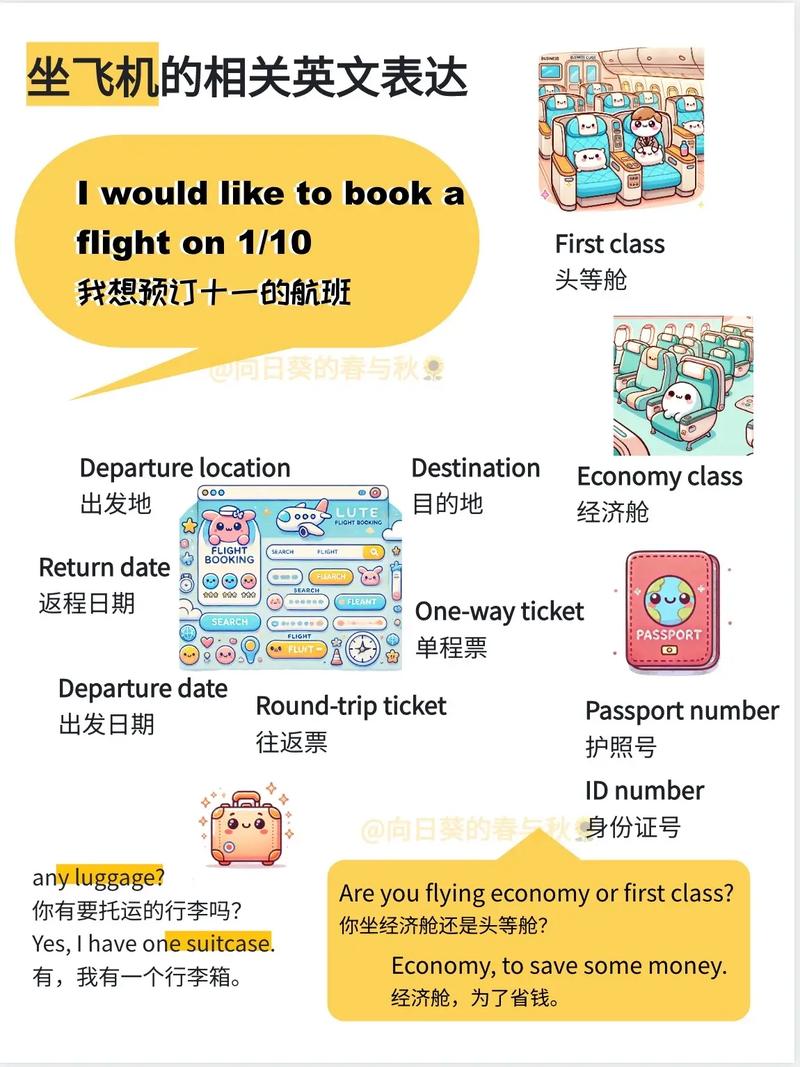


Air travel is one of the safest modes of transportation, but understanding and adhering to safety protocols is essential to ensure a secure journey for all passengers. Airlines provide detailed safety briefings before takeoff, covering everything from seatbelt usage to emergency equipment. These guidelines, often presented in English for international standardization, are designed to prepare passengers for various scenarios, ensuring everyone knows how to respond in case of an emergency. Below is a comprehensive overview of key airplane safety须知 (safety instructions) in English, along with a FAQs section to address common concerns.
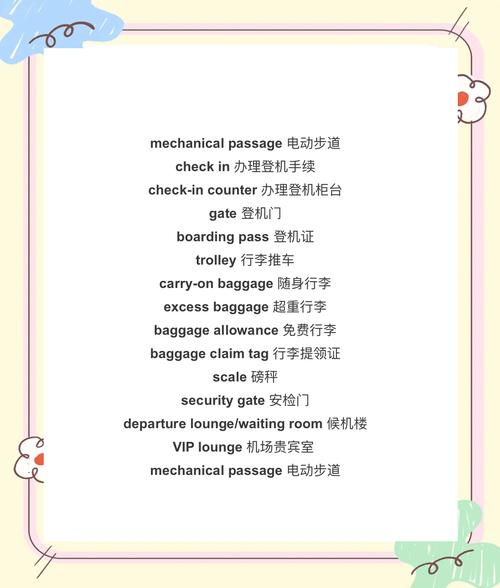
Pre-Flight Safety Preparations
Before the aircraft takes off, flight attendants conduct a safety demonstration, either verbally or through a video. This includes instructions on seatbelts, life vests, oxygen masks, and emergency exits. Passengers are advised to:
- Fasten seatbelts securely throughout the flight, especially during turbulence. Seatbelts should be low and tight across the hips, not the abdomen.
- Stow carry-on luggage properly in overhead bins or under the seat in front. Overhead bins must be free of heavy or loose items to prevent them from falling during turbulence.
- Locate emergency exits nearest to your seat. Count the rows between you and the exits, as visibility may be limited in an emergency.
- Review safety cards in the seat pocket, which provide step-by-step visuals for emergency procedures.
For passengers with special needs, such as those requiring mobility assistance or traveling with infants, airlines offer pre-boarding and additional support. It is important to inform the airline of any specific requirements during booking or check-in.
In-Flight Safety Guidelines
During the flight, passengers must follow certain rules to maintain a safe environment:
- Electronic devices should be switched to airplane mode or turned off during takeoff and landing, as they may interfere with navigation systems. Some airlines allow the use of tablets or e-readers in airplane mode after takeoff.
- Smoking is prohibited on all commercial flights, including the use of e-cigarettes. Violating this rule can result in fines and legal consequences.
- Turbulence awareness is critical. While modern aircraft are designed to handle severe turbulence, passengers should remain seated with seatbelts fastened at all times. If turbulence is expected, flight attendants will advise passengers to return to their seats.
- Medical emergencies should be reported to the cabin crew immediately. Airlines carry basic medical kits and have staff trained to handle in-flight health issues. For severe conditions, the crew may divert the flight to the nearest airport.
Emergency Procedures
Though rare, emergencies can occur, and knowing how to respond is vital:
- Emergency evacuation slides are located at the main exits. Passengers should leave all belongings behind and follow crew instructions to evacuate quickly and calmly. High heels, sharp objects, and carry-on bags must be left behind to avoid delays or injuries.
- Oxygen masks will drop from the compartment above if cabin pressure is lost. Pull the mask toward you to start the oxygen flow, then secure it over your nose and mouth. Place your mask on first before assisting others, especially children.
- Water landings (ditching) are rare but require following crew instructions. Life vests are stored under seats or in overhead bins; inflate them only after exiting the aircraft to avoid hindering movement.
Special Considerations for Passengers
- Children and infants must be secured in approved child restraint systems or held by an adult with an infant seatbelt. Booster seats are not allowed on airplanes.
- Passengers with disabilities should pre-board to allow time for assistance. Crew members can help with stowing mobility devices and explaining emergency procedures.
- Pregnant passengers can fly up to 36 weeks of pregnancy with a doctor’s note. After 36 weeks, airlines may require medical clearance or prohibit travel.
FAQs
Q1: What should I do if I experience severe turbulence?
A1: Remain seated with your seatbelt fastened tightly. If you are not wearing a seatbelt, you could be thrown around the cabin, risking injury. Follow crew instructions calmly and avoid moving around the cabin until turbulence subsides. Keep your seatbelt on even when the seatbelt sign is off, as turbulence can occur unexpectedly.
Q2: Are life jackets mandatory to wear during an emergency water landing?
A2: No, life jackets should only be worn after exiting the aircraft. Inflating them inside the cabin could obstruct movement and slow down evacuation. Flight attendants will provide clear instructions on when and how to use life jackets, so it is important to pay attention to the safety briefing and review the safety card beforehand.
By familiarizing yourself with these safety须知, you can contribute to a safer and more comfortable flight experience for everyone. Remember, airline crew are trained to handle emergencies, and following their instructions is the best way to ensure safety in any situation. Safe travels!