


A Brief Introduction to Acupuncture
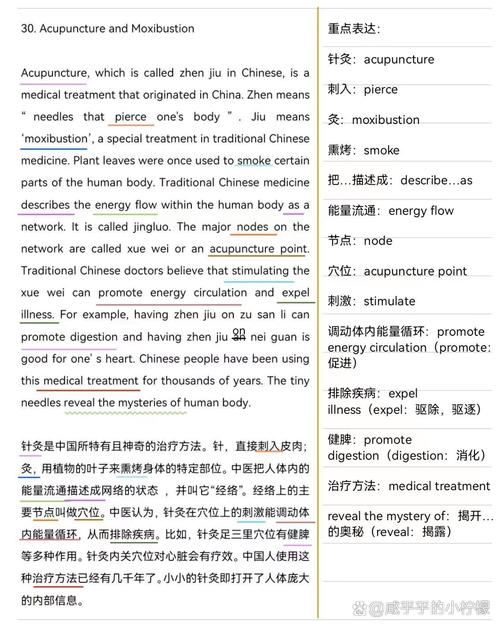
Acupuncture, a traditional Chinese medicine practice, has been around for thousands of years. It involves inserting very thin needles into specific points on the body to treat a wide range of conditions. This article will provide an overview of acupuncture, its history, benefits, and potential side effects.
History of Acupuncture
Acupuncture originated in China more than 2,500 years ago. The earliest written record of acupuncture is found in the "Huangdi Neijing" (The Yellow Emperor's Inner Classic), a foundational text of Chinese medicine. Over the centuries, acupuncture has been refined and developed into a comprehensive system of treatment.
How Acupuncture Works
Acupuncture is based on the concept of Qi (vital energy) flowing through the body along meridians. When Qi is blocked or imbalanced, it can lead to pain, illness, or other health problems. By inserting needles into specific points along these meridians, acupuncturists aim to unblock the Qi and restore balance to the body.
Benefits of Acupuncture
Acupuncture has been used to treat a wide range of conditions, including:
| Condition | Description |
|---|---|
| Chronic pain | Acupuncture can help alleviate chronic pain, such as back pain, neck pain, and osteoarthritis. |
| Headaches | Acupuncture can be effective in treating migraines and tension headaches. |
| Anxiety and depression | Acupuncture may help reduce symptoms of anxiety and depression. |
| Insomnia | Acupuncture can improve sleep quality and treat insomnia. |
| Allergies | Acupuncture may help alleviate symptoms of allergies, such as sneezing and runny nose. |
| Menstrual disorders | Acupuncture can help regulate menstrual cycles and alleviate symptoms of PMS and menopause. |
Potential Side Effects
While acupuncture is generally considered safe, it can cause some side effects, including:
| Side Effect | Description |
|---|---|
| Minor bleeding | There may be minor bleeding at the needle sites. |
| Bruising | Bruising may occur at the needle sites. |
| Dizziness | Some people may feel dizzy during or after treatment. |
| Infection | There is a small risk of infection if needles are not properly sterilized. |
Acupuncture Techniques
There are several different techniques used in acupuncture, including:
| Technique | Description |
|---|---|
| Dry needling | This involves inserting needles into specific points on the body to relieve pain and improve function. |
| Electroacupuncture | This technique involves attaching electrodes to the needles and applying a low-level electrical current. |
| Cupping | Cupping involves placing cups on the skin and creating suction to increase blood flow and relieve muscle tension. |
| Moxibustion | Moxibustion involves burning moxa (a substance made from dried mugwort) near the skin to stimulate circulation and Qi flow. |
Conclusion
Acupuncture is a safe and effective treatment for a wide range of conditions. While it may not be suitable for everyone, it is worth considering as a complementary therapy to conventional medical treatments.
FAQs
Question 1: Is acupuncture safe for everyone?
Answer: Acupuncture is generally considered safe for most people. However, it is not recommended for individuals with certain medical conditions, such as blood disorders, severe bleeding disorders, or those who are pregnant. It is important to consult with a qualified acupuncturist before beginning treatment.
Question 2: How many sessions of acupuncture will I need?
Answer: The number of acupuncture sessions needed varies depending on the individual and the condition being treated. Some people may experience relief after just a few sessions, while others may require ongoing treatment for several weeks or months. It is important to work with a qualified acupuncturist to develop a personalized treatment plan.